Many people use branding and visual identity interchangeably—but they’re not the same thing. Understanding the difference can help you build a stronger, more recognizable presence online and avoid costly design mistakes.
In this post, we’ll break down what branding really is, how visual identity fits into it, and why both matter for your website and digital presence.
What Is Branding?
Branding is the overall perception people have of your business, shaped by every interaction they experience. It defines who you are, what you stand for, and why someone should trust you over a competitor. Branding is not a single asset or design choice—it’s a long-term strategy that guides how your business communicates and behaves.
At its core, branding includes your mission, values, tone of voice, and positioning in the market. It influences how you speak to your audience, the promises you make, and the emotions people associate with your name. When done well, branding creates familiarity and confidence, even before someone fully understands what you offer.
Think of branding as your business’s personality and reputation.
What Is Visual Identity?
Visual identity is how your brand is expressed visually across your website, marketing materials, and digital platforms. It’s the part of branding people immediately recognize when they see your business online or in print.
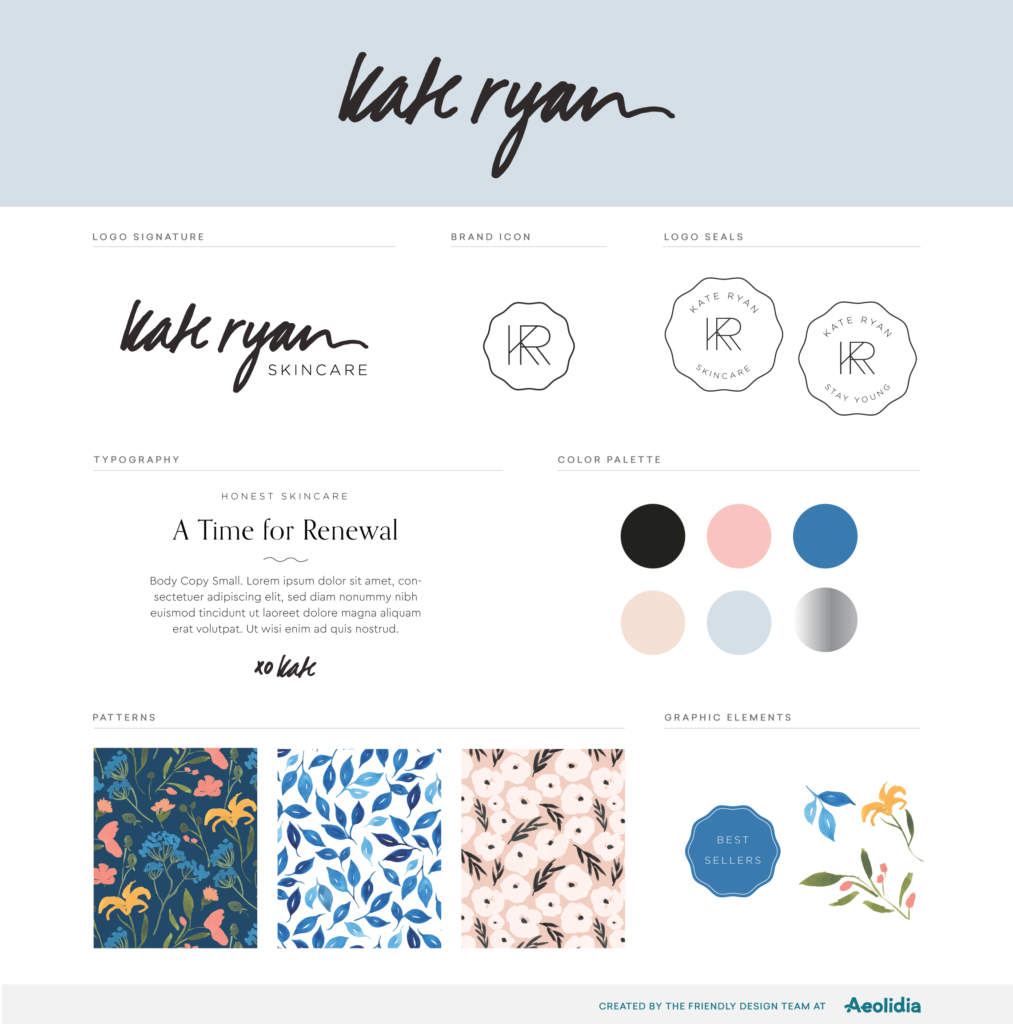
Your visual identity is made up of design elements like your logo, color palette, typography, imagery style, and layout rules. These elements work together to create a cohesive look that feels intentional and professional. When consistently applied, visual identity reinforces brand recognition and makes your business easier to remember.
If branding is the personality, visual identity is the appearance and style that communicates it.
Branding vs Visual Identity (Simple Comparison)
| Branding | Visual Identity |
|---|---|
| Strategic and emotional | Visual and design-focused |
| Defines perception and values | Expresses the brand visually |
| Long-term foundation | Applied across assets |
| How people feel | What people see |
Visual identity should always support branding—not attempt to define it on its own.
Why the Difference Matters for Websites
One of the most common mistakes businesses make is jumping straight into logo or website design without first clarifying their brand. While this might save time initially, it often leads to inconsistent visuals, unclear messaging, and a website that feels disconnected.
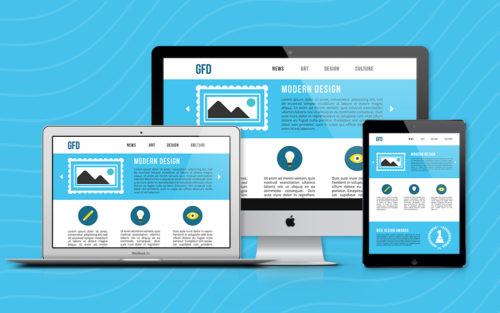
When branding comes first, design decisions have purpose. Colors align with emotion, typography matches tone, and layouts reinforce trust. Visitors can quickly understand who you are and what you stand for, which makes them more likely to stay, engage, and convert.
Without a defined brand, visual identity becomes guesswork. The result is often a website that looks fine on the surface but lacks clarity, confidence, and credibility.
Real-World Example
Imagine two websites offering the same service at the same price. One has consistent colors, confident messaging, and a clear visual hierarchy. The other uses mismatched fonts, generic stock images, and unclear language.
Even if both businesses are equally capable, most users instinctively trust the first one. That trust isn’t accidental—it’s the result of strong branding supported by a cohesive visual identity. People don’t just buy services; they buy confidence and familiarity.
How to Approach Branding and Visual Identity the Right Way
The most effective websites are built by starting with branding and then translating it into a visual system. This process ensures every design choice supports a clear purpose rather than relying on trends or personal preference.
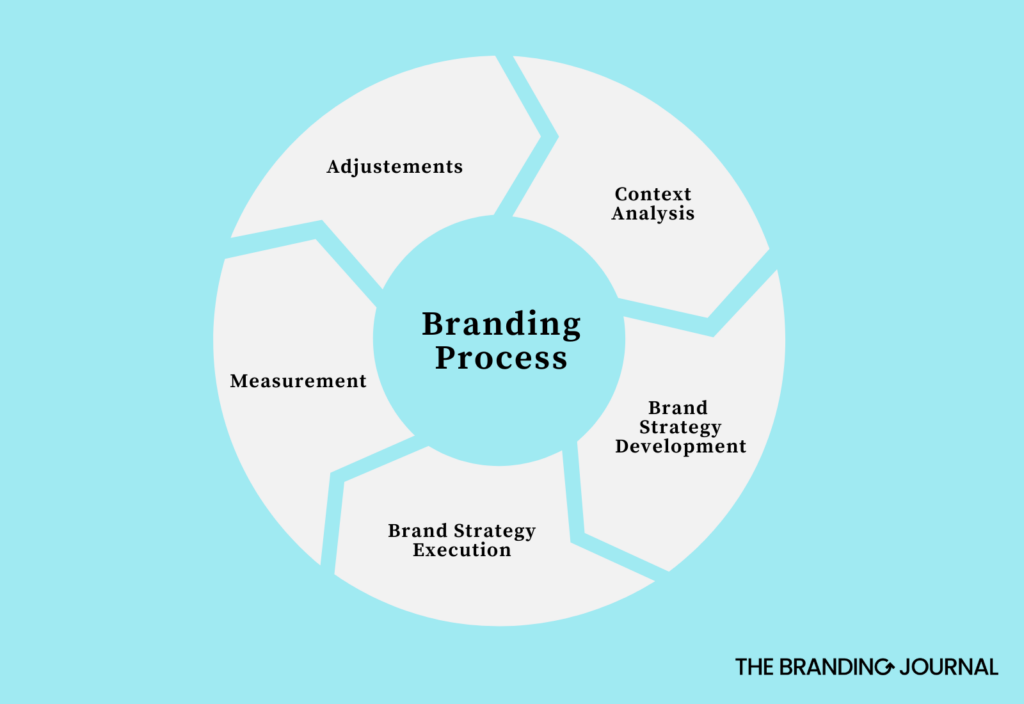
By defining your values, audience, and messaging first, you create a foundation that makes visual identity easier to develop and far more consistent across your site and marketing materials. This approach reduces revisions, improves clarity, and results in a stronger overall brand presence.
Final Thoughts
Branding defines who you are. Visual identity shows the world who you are.
When both work together, your website does more than look professional—it communicates trust, clarity, and intention. For businesses serious about growth, understanding this distinction is the difference between a website that simply exists and one that truly connects.