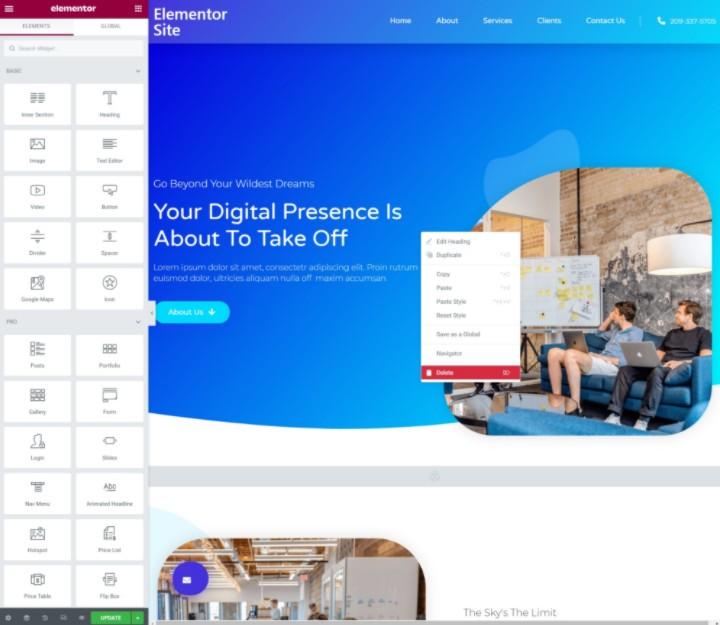
Website performance isn’t just about how fast a page loads. It’s about how smoothly a site behaves, how reliable it feels, and how quickly users can interact with content. Even small performance issues can quietly undermine SEO, user experience, and conversions.
Performance optimization turns a functional website into an efficient one.
Speed Shapes First Impressions
When visitors land on a website, speed is one of the first things they notice—often subconsciously. Pages that load quickly feel more professional, trustworthy, and easier to use.
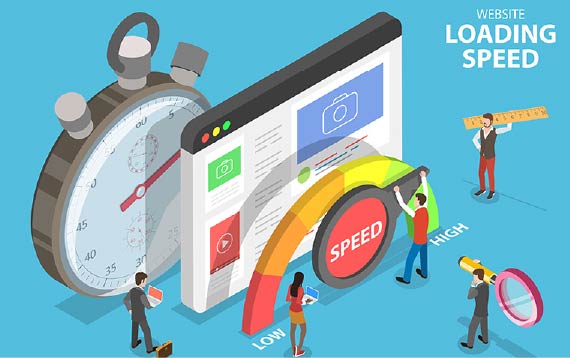
Slow-loading sites frustrate users before they even engage with content. Delays of just a few seconds can increase bounce rates and reduce engagement. Performance optimization ensures that design, content, and features appear quickly and predictably.
Speed isn’t just a technical metric—it’s part of the user experience.
Stability Builds Trust Over Time
Performance also includes how stable a website feels during use. Layouts that shift, animations that stutter, or elements that load inconsistently create uncertainty for users.
Stability issues often stem from poor optimization practices, such as unoptimized media or scripts loading out of order. These problems erode trust quietly. Users may not know why a site feels unreliable—but they’ll remember the feeling.
A stable site supports confidence and credibility.
Performance and Search Engine Visibility
Search engines consider performance when ranking websites. Metrics like page speed, responsiveness, and visual stability influence how search engines evaluate user experience.
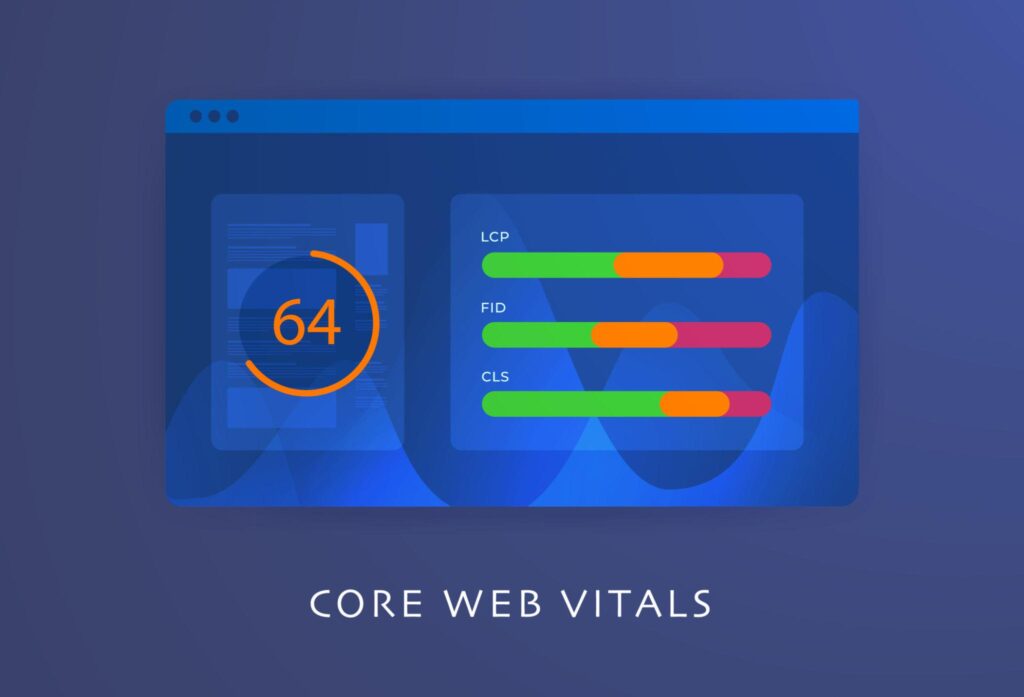
A fast, optimized site makes it easier for search engines to crawl pages efficiently and reward them with better visibility. Performance optimization reinforces the technical SEO foundation you’ve already built.
SEO and performance are inseparable.
How Performance Impacts Conversions
Even when visitors want what you offer, performance issues can stop them from converting. Slow forms, delayed interactions, or laggy pages introduce friction at critical moments.
Optimized performance ensures that calls to action respond immediately and interactions feel smooth. When users don’t have to wait or wonder if something worked, they’re more likely to follow through.
Performance removes hesitation.
Performance Optimization as an Ongoing Process
Like SEO and CRO, performance optimization isn’t a one-time task. As websites grow, add features, and publish new content, performance must be monitored and refined.
Final Thoughts
Website performance influences how users feel, how search engines rank pages, and how effectively traffic converts. Speed, stability, and responsiveness work together to support every other part of your website.
A high-performing site doesn’t just look good—it works better.