Launching a website is only the beginning. Like any digital system, websites require ongoing website maintenance to remain secure, stable, and performant over time. Without regular updates and monitoring, even well-built sites gradually degrade as software evolves and security risks emerge.
Website maintenance ensures that the work invested in design, development, and optimization continues to deliver results.
Websites Are Built on Software That Constantly Changes
Modern websites rely on a complex stack of software components. Content management systems, plugins, frameworks, and server environments all receive regular updates to improve performance, patch security vulnerabilities, and add new capabilities.
When these updates are ignored, compatibility issues accumulate. Plugins stop working correctly, features break, and security gaps appear. Website maintenance keeps your website aligned with the evolving software ecosystem it depends on.
Security Risks Increase Over Time Without Updates
Outdated software is one of the most common entry points for website attacks. Vulnerabilities discovered in plugins, themes, or server software are regularly patched by developers—but only sites that apply updates receive those protections.
When updates are delayed, attackers gain time to exploit known weaknesses. Even small sites can become targets for automated attacks that scan the internet for outdated systems.
Routine website maintenance dramatically reduces this risk.
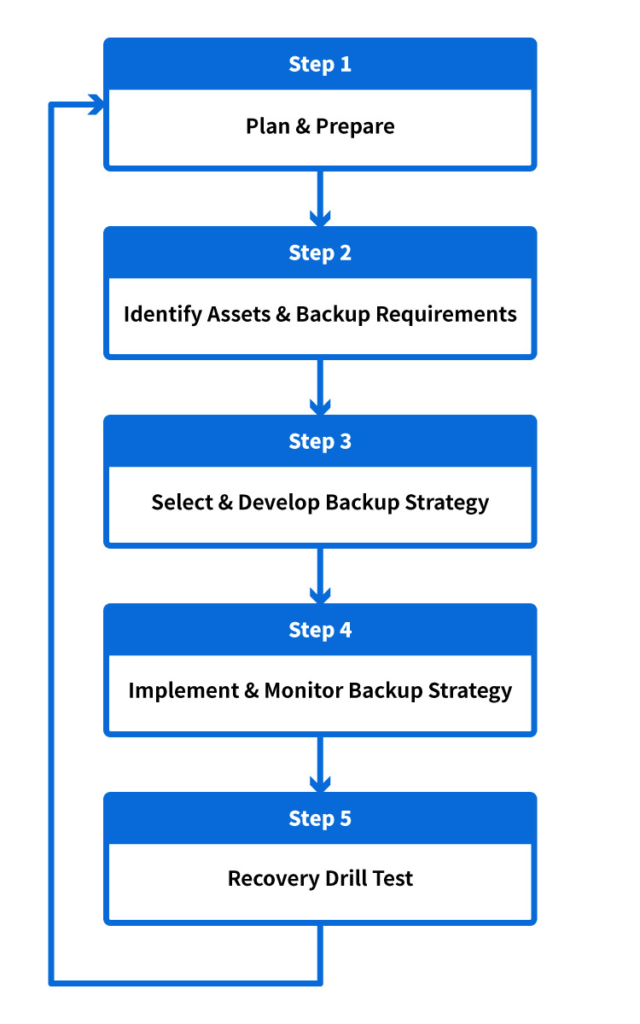
Backups Protect Against the Unexpected
Even well-maintained websites can encounter problems. Server failures, plugin conflicts, or human error can occasionally cause data loss or site outages.
Reliable backups act as a safety net, allowing websites to be restored quickly if something goes wrong. Automated backup systems ensure that the latest version of a site can be recovered without rebuilding from scratch.
Backups transform potential disasters into manageable incidents.
Website Maintenance Supports Performance and SEO
Over time, websites accumulate unused plugins, outdated scripts, and inefficient assets. Without periodic optimization, these elements gradually slow down page load times and degrade performance.
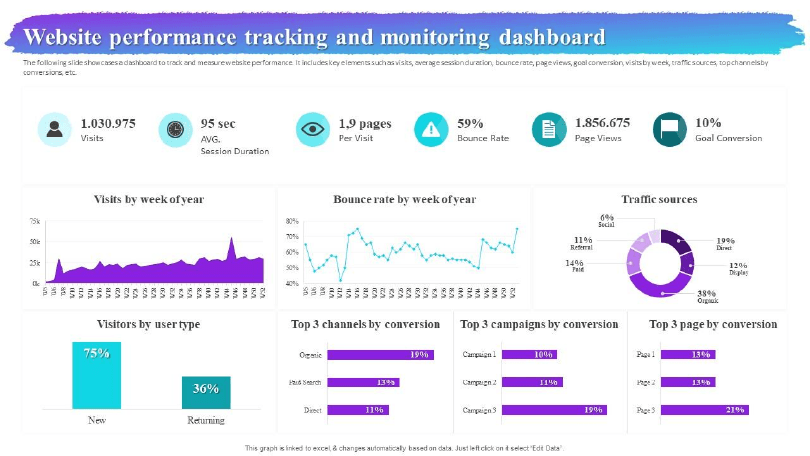
website maintenance tasks like clearing unused resources, optimizing databases, and reviewing performance metrics help preserve the speed and reliability users expect. Since performance also affects search rankings, maintenance indirectly supports SEO as well.
Stability Builds Long-Term Trust
Visitors rarely think about website maintenance, but they immediately notice when a site feels unreliable. Broken links, outdated content, and malfunctioning features create frustration and undermine credibility.
Regular website maintenance ensures that the site continues to function smoothly as content grows and traffic increases.
Final Thoughts
Websites aren’t static assets—they’re living systems that evolve over time. Website maintenance ensures that your site remains secure, stable, and performant long after launch.
Consistent updates, reliable backups, and proactive monitoring protect your investment and keep your website working the way it was designed to.