Many websites don’t fail because of bad design or poor traffic—they fail because of small, overlooked conversion mistakes. These issues often go unnoticed because the site “looks fine,” yet visitors hesitate, abandon forms, or leave without taking action.
Conversion Rate Optimization isn’t always about adding more. More often, it’s about removing friction and fixing what quietly gets in the way.
Prioritizing Traffic Over User Intent
One of the most common CRO mistakes is focusing heavily on traffic growth without considering why visitors are arriving in the first place. If your content, messaging, or landing pages don’t align with user intent, conversions will always suffer.

Visitors need to immediately see that your site understands their problem. When messaging is too broad or disconnected from the page they landed on, users feel unsure and leave. CRO starts by aligning intent, not inflating numbers.
Weak or Unclear Calls to Action
A call to action should guide users, not confuse them. Vague phrases like “Learn More” or “Submit” often fail because they don’t communicate value or outcome.
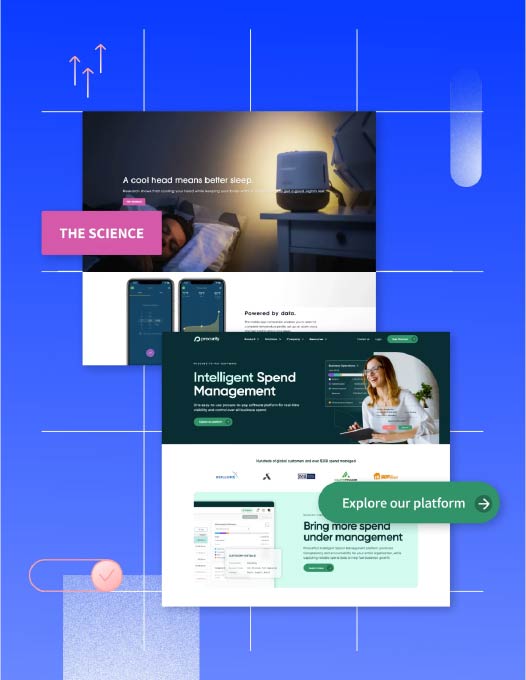
When CTAs are unclear, poorly placed, or visually inconsistent, users hesitate. Strong CRO clarifies what happens next and why it matters. The best CTAs feel like a logical continuation of the page—not a sudden sales pitch.
Overloading Pages With Too Much Information
Trying to explain everything at once is another common conversion killer. Long blocks of text, competing messages, and excessive options overwhelm visitors and make decision-making harder.
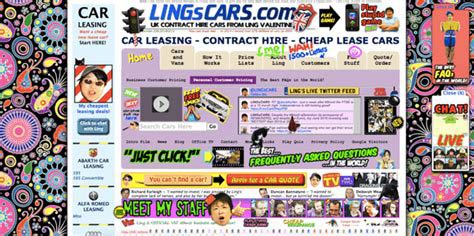
CRO favors clarity over completeness. Visitors don’t need every detail immediately—they need reassurance, direction, and confidence. Breaking content into logical sections and guiding attention improves both usability and conversions.
Ignoring Trust Signals
Trust is one of the strongest conversion drivers, yet many websites fail to reinforce it. Missing testimonials, unclear contact information, outdated designs, or inconsistent branding all create doubt.

Even subtle trust signals—like consistent branding, professional layout, and clear messaging—can dramatically influence whether users feel comfortable taking action. CRO evaluates not just what users see, but how it makes them feel.
Poor Mobile Experience
Mobile traffic often makes up more than half of website visits, yet many CRO issues appear only on smaller screens. Forms that are hard to fill out, buttons that are too small, or layouts that break on mobile can quietly drain conversions.
CRO requires reviewing the mobile experience separately, not assuming desktop performance translates automatically. A site that converts well on desktop but poorly on mobile leaves significant results on the table.
Treating CRO as a One-Time Task
Perhaps the biggest mistake is assuming CRO is something you “finish.” Websites evolve, audiences change, and expectations shift over time.
Effective CRO is iterative. It involves testing, observing user behavior, and refining continuously. Small improvements compound, while neglected issues grow more costly over time.
Final Thoughts
Most CRO mistakes aren’t dramatic—they’re subtle. But collectively, they can significantly reduce leads, sales, and engagement.
By focusing on clarity, intent, trust, and usability, CRO transforms your website from a passive presence into an active business tool. Fixing what quietly blocks conversions often delivers better results than chasing more traffic ever could.