When a website struggles to convert, the problem isn’t always obvious. Pages may look polished, content may be solid, and traffic may even be growing—yet results stay flat. In many cases, the real issue is poor website development quietly undermining performance behind the scenes.
Technical problems don’t just affect functionality. They directly impact user experience, search visibility, and conversion rates.
Slow Load Times That Drive Visitors Away
Page speed is one of the most common—and costly—development failures. When a site takes too long to load, users leave before engaging with content or calls to action.
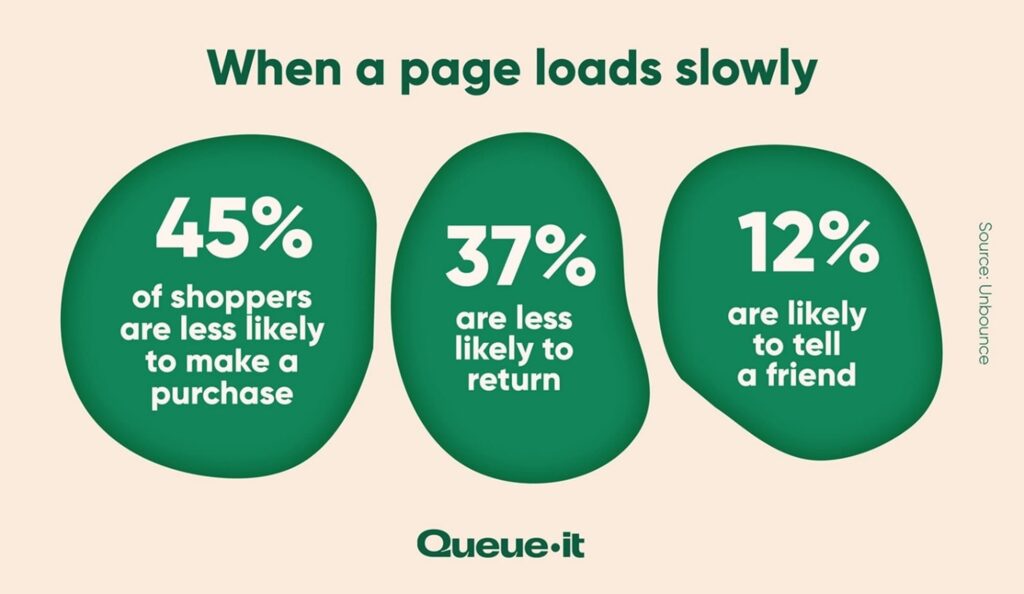
Slow load times often come from unoptimized assets, inefficient code, or poor server configuration. Even delays of a second or two can significantly reduce engagement. Visitors may never consciously blame performance, but they will associate the experience with frustration and unreliability.
Speed is not a luxury feature—it’s a baseline expectation.
Broken or Inconsistent Mobile Experiences
Mobile traffic accounts for a significant portion of website visits, yet poor development frequently causes layouts to break, buttons to misbehave, or forms to become difficult to use on smaller screens.
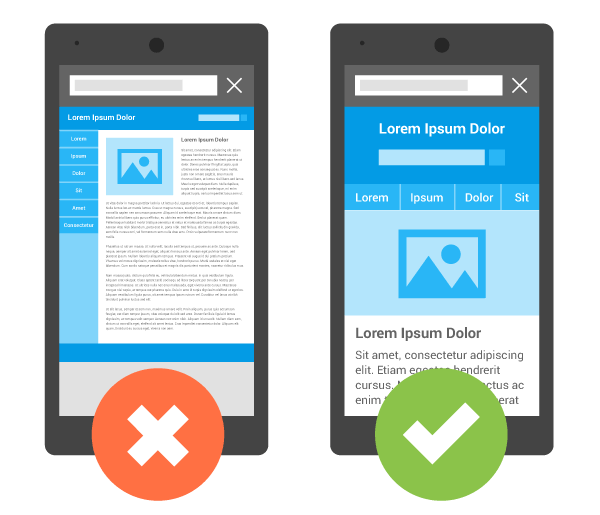
When a site feels clunky or unreliable on mobile, users abandon it quickly. Even strong desktop performance can’t compensate for a poor mobile experience. Development must ensure responsiveness, touch-friendly interactions, and consistent behavior across devices.
Ignoring mobile development issues means leaving conversions on the table.
Technical SEO Issues That Limit Visibility
Search engines rely on clean, well-structured code to understand and rank websites. Poor development can introduce technical SEO problems that quietly suppress visibility, regardless of content quality.
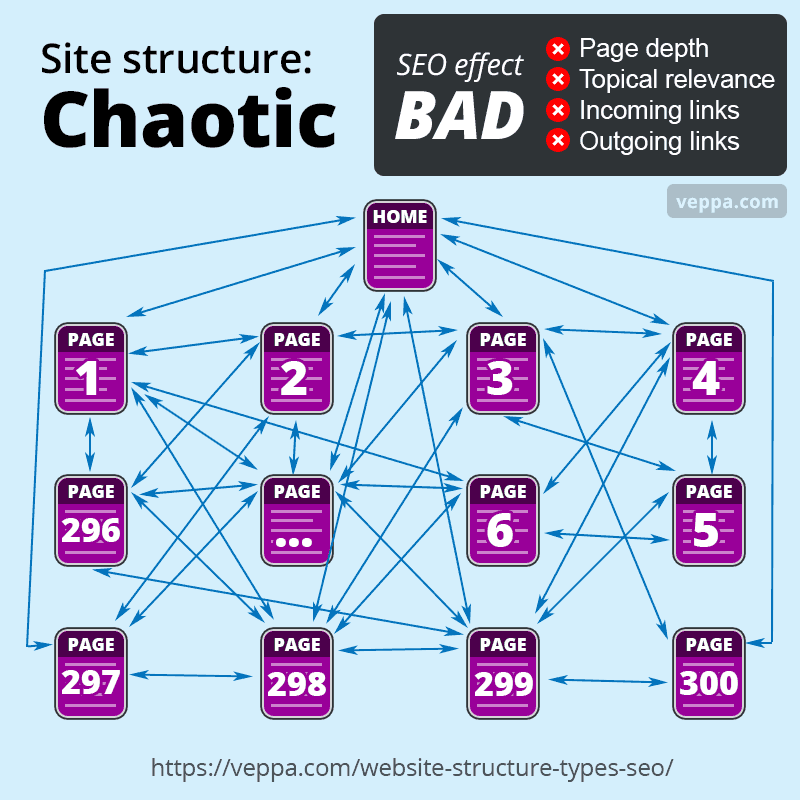
Issues like bloated markup, broken internal links, improper heading structure, or slow server response times make it harder for search engines to crawl and index pages effectively. Over time, this reduces organic traffic and weakens the impact of content strategy and CRO efforts.
SEO isn’t just about keywords—it’s deeply technical.
Unreliable Forms and Interactive Elements
Forms, buttons, and interactive features are often the final step in conversion—but they’re also frequent points of failure when development is rushed or poorly implemented.

Forms that fail to submit, load slowly, or behave inconsistently erode trust instantly. Users rarely try again. Even minor glitches can undo the progress made by good design, content, and CRO analysis.
Reliable interaction is essential for conversion success.
Hidden Security and Stability Risks
Poor development can also introduce security vulnerabilities and stability issues that harm both trust and performance. Outdated frameworks, insecure configurations, or lack of proper updates increase the risk of downtime or breaches.

Even when users aren’t directly affected, search engines and browsers may flag insecure or unstable sites. This damages credibility and reduces conversions long before visible problems occur.
Stability is part of user experience—even when nothing goes wrong.
Why These Issues Hurt Conversions First
Many development problems don’t trigger obvious errors. Instead, they create subtle friction that compounds over time. Pages feel slower. Interactions feel less reliable. Trust erodes quietly.
CRO often reveals where users drop off—but development explains why. Without addressing technical causes, optimization efforts rarely reach their full potential.
Final Thoughts
Poor website development doesn’t just affect how a site functions—it affects how users feel, how search engines rank pages, and how effectively traffic turns into results.
Strong development supports UX, SEO, and conversions simultaneously. When technical execution is solid, design and content are free to do their jobs effectively. When it isn’t, everything else struggles.