
Publishing content without a plan is one of the most common mistakes businesses make online. While blogging regularly feels productive, random posts without direction often fail to build traffic, trust, or conversions.
Content strategy is what turns individual blog posts into a cohesive system that supports your business goals.
What Content Strategy Really Means
Content strategy is the planning, creation, organization, and management of content with a specific purpose. It defines not just what you publish, but why you publish it, who it’s for, and how it supports your broader goals.
Rather than focusing on individual posts, content strategy looks at the big picture. It considers audience needs, search intent, brand voice, and how each piece of content fits into a larger structure. When done correctly, every article plays a role instead of standing alone.
Why Random Content Fails Over Time
Many websites start with good intentions—posting whenever inspiration strikes or when time allows. While this approach can work short-term, it rarely produces consistent results.
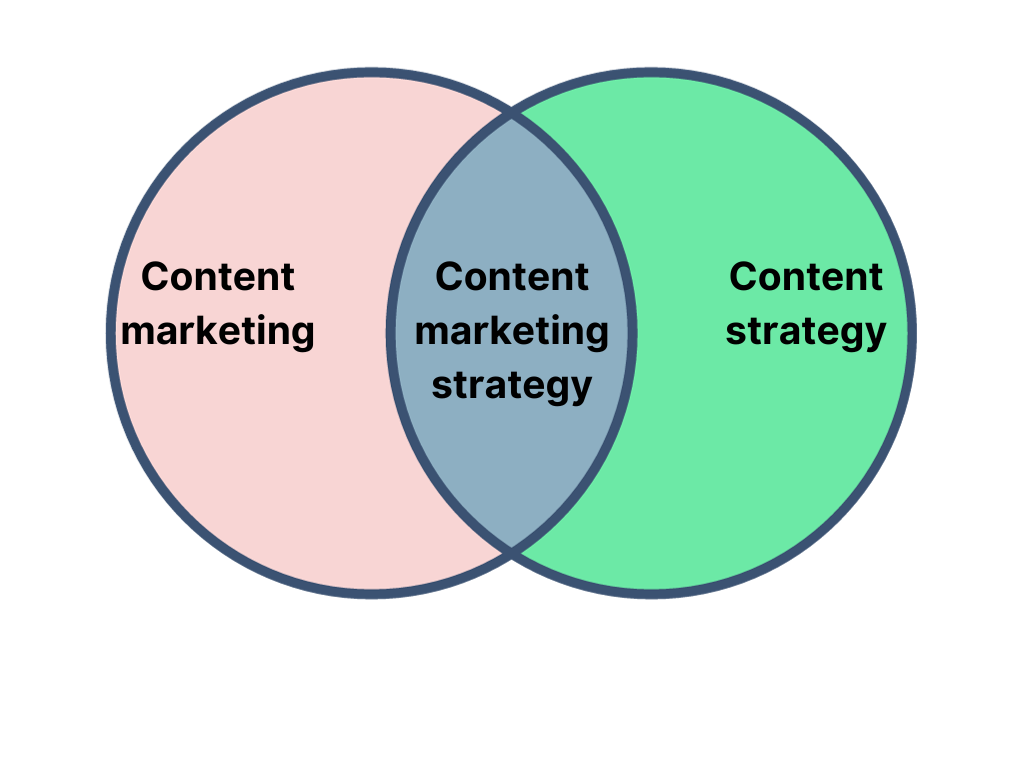
Random content often lacks focus, overlaps topics unnecessarily, or targets no clear audience. Search engines struggle to understand what the site is about, and visitors have no obvious path from one article to the next. Over time, this leads to stagnant traffic and low engagement.
Without strategy, content becomes noise instead of an asset.
The Role of Content Strategy in User Experience
Content strategy isn’t just about SEO—it directly impacts how users experience your website. When content is planned intentionally, it guides visitors naturally from awareness to understanding to action.
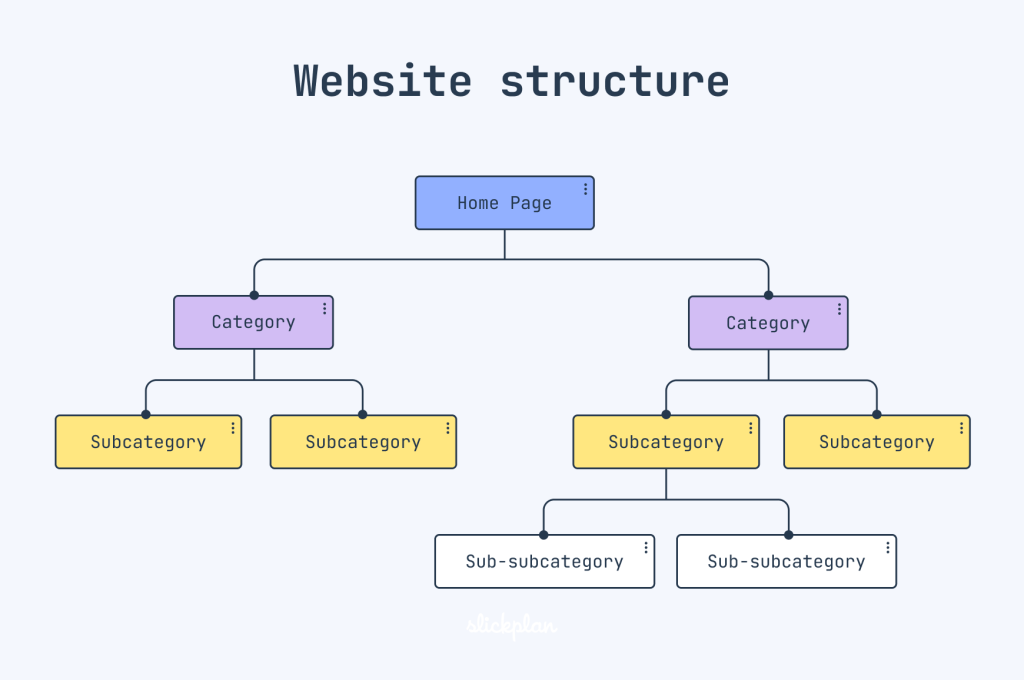
Well-structured content helps users find answers faster, builds confidence in your expertise, and keeps them on your site longer. Each post supports the next, creating a logical flow rather than a collection of disconnected pages.
This is especially important for service-based websites, where trust and clarity directly affect conversions.
Content Strategy vs Content Creation
Content creation focuses on writing. Content strategy focuses on purpose.
A strategic approach determines:
- Which topics matter most
- How content is grouped into categories
- What keywords and questions are targeted
- How posts support services or products
Creation without strategy leads to effort without direction. Strategy ensures that every piece of content works toward a goal, whether that goal is education, authority-building, or conversion.
How Content Strategy Supports Long-Term Growth
A strong content strategy compounds over time. As related posts build on each other, search engines begin to associate your site with specific topics, improving rankings and visibility.
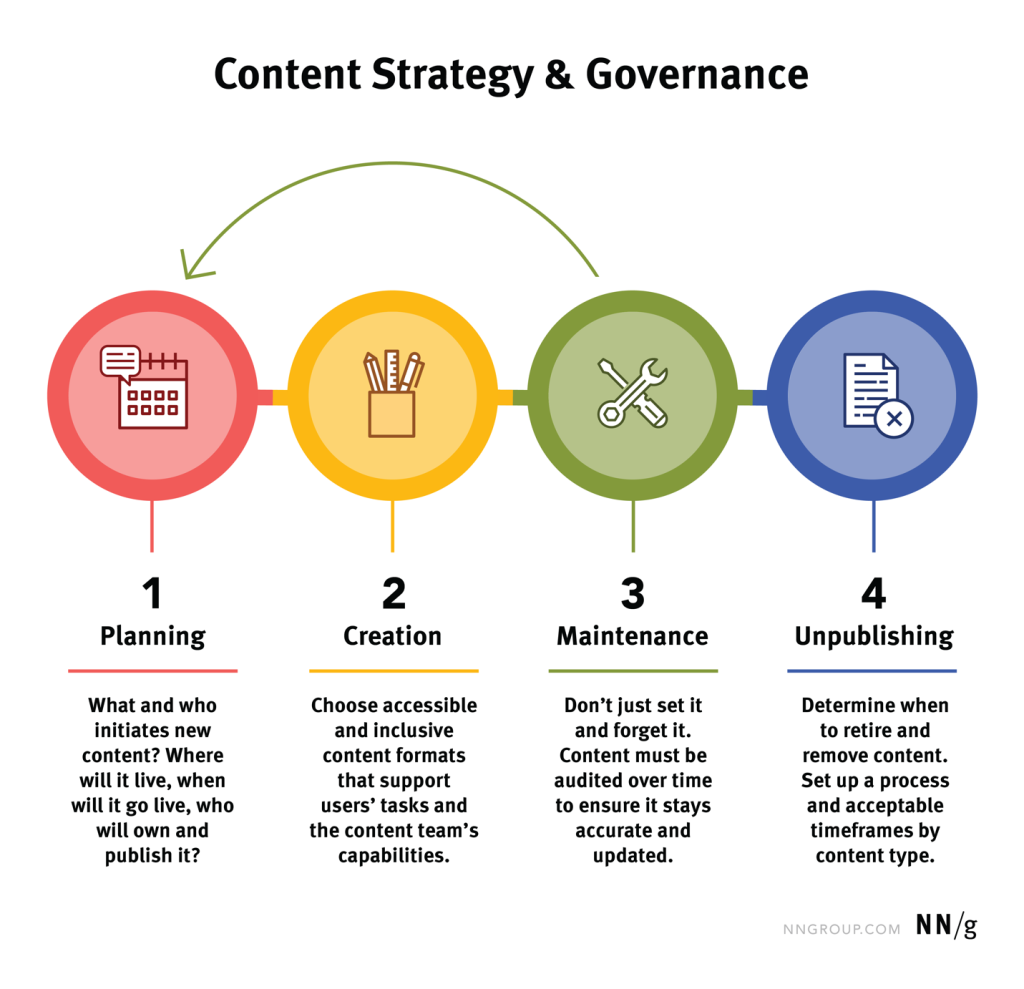
Instead of constantly chasing new ideas, you build depth around core themes. This makes your website easier to maintain, easier to expand, and far more effective as a long-term marketing tool.
Final Thoughts
Posting content isn’t enough. Without strategy, even high-quality articles struggle to make an impact.
Content strategy turns blogging into a system—one that supports branding, improves search visibility, and guides users toward meaningful action. It’s the difference between having content and using content effectively.