
Search Engine Optimization (SEO) is often misunderstood. Many people assume it’s just about adding keywords to a page and waiting for traffic to appear. In reality, SEO is a much broader strategy that involves how a website is built, how content is structured, and how users experience the site.
SEO isn’t a single tactic—it’s a system that helps search engines understand, trust, and rank your website.
What SEO Really Means
SEO is the process of optimizing a website so it can be discovered, understood, and ranked by search engines. While keywords play a role, they are only one part of a much larger picture.
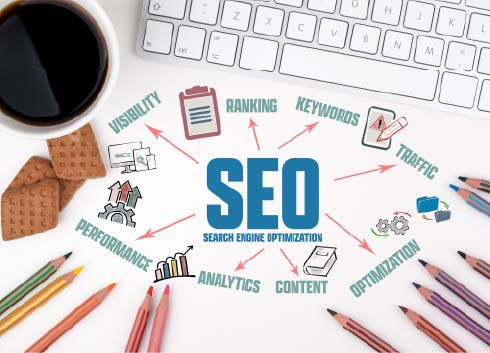
Effective SEO considers technical foundations, content relevance, site structure, and user behavior. Search engines aim to deliver the best possible results to users, which means they evaluate how useful, accessible, and trustworthy a website appears—not just what words appear on the page.
SEO is about alignment between your site, search engines, and real people.
Why Keywords Alone Don’t Work
Keywords help search engines understand topic relevance, but they can’t compensate for deeper issues. A page can be perfectly optimized for a keyword and still perform poorly if the site loads slowly, is difficult to navigate, or provides a weak user experience.
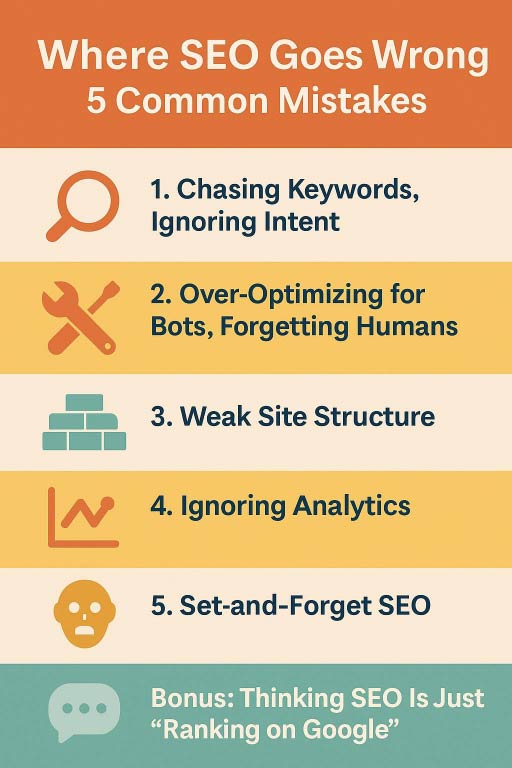
Search engines now evaluate engagement signals like time on page, bounce rate, and usability. If users click your result and leave quickly, rankings suffer regardless of keyword usage. This is why SEO must work hand-in-hand with development, design, and content strategy.
The Role of Technical Foundations in SEO
Before content can rank, a website must be technically sound. Clean code, fast load times, mobile responsiveness, and proper structure all help search engines crawl and index pages efficiently.
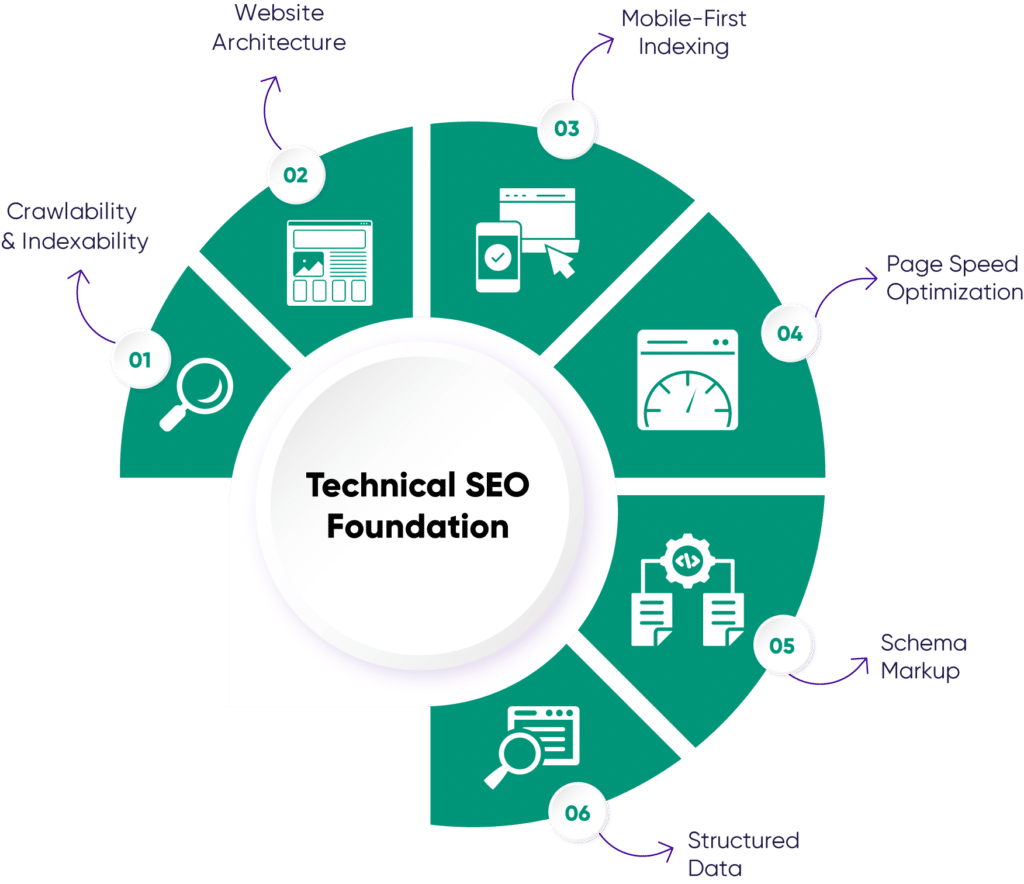
Poor development can block search engines from accessing content or slow down indexing. Even the best-written articles struggle to rank if the technical foundation underneath them is weak. This is where SEO and development overlap most directly.
How Content and SEO Work Together
SEO-friendly content is created with both users and search engines in mind. It answers real questions clearly, uses logical structure, and fits naturally into a broader topic strategy.
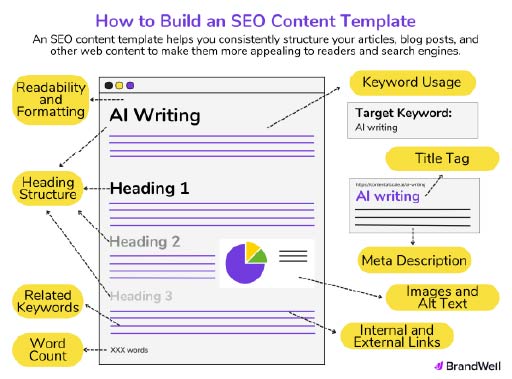
When content is planned strategically, related pages support one another through internal linking and topical depth. This helps search engines understand subject authority while guiding users through a meaningful journey across your site.
SEO rewards clarity, not volume.
SEO as a Long-Term Strategy
Unlike paid ads, SEO builds momentum over time. Strong foundations allow content to compound in value as search engines gain confidence in your site.
SEO isn’t instant, but it is durable. When done correctly, it continues delivering traffic long after content is published, making it one of the most cost-effective digital strategies available.
Final Thoughts
SEO is far more than keywords. It’s the intersection of technical health, content quality, structure, and user experience.
When SEO is approached as a system rather than a shortcut, it becomes a powerful driver of visibility, trust, and long-term growth.